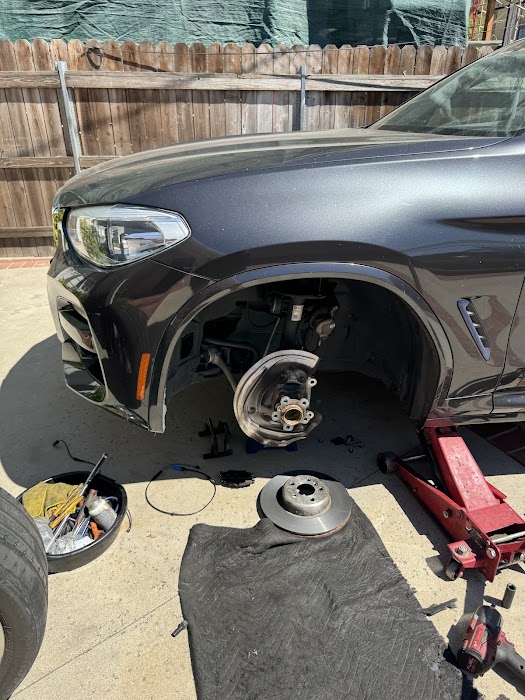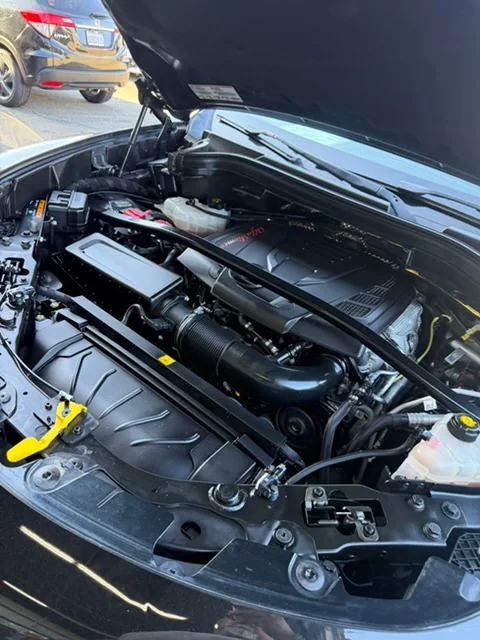
Mentioned in 2 Google reviews
A diagnose check is how we figure out what is actually wrong with your car instead of guessing and swapping parts until something works. Modern cars run on a web of sensors and computer modules that talk to each other constantly. When one of them is off, the car usually tells you, either through a warning light or a symptom you can feel, like rough idling, stalling, or a hesitation when you step on the gas. Our job is to trace that symptom back to the actual cause, not just the first part that looks like the culprit. Skipping this step is how people end up paying for parts that were never broken in the first place. A proper diagnostic saves you from that guessing game and points the repair in the right direction from the start.
Signs You Need A Diagnostic Check
- Check engine or other warning light is on
- Car hesitates or stalls at odd times
- Rough idle or shaking when stopped
- Strange smell, smoke, or noise you cannot explain
- Noticeable drop in gas mileage
- Car just feels off and you cannot pin down why
Drivers usually notice something is wrong before they know what it means. A check engine light is the most common sign, but it is far from the only one. Some cars hesitate when you press the gas, like the engine is thinking it over before responding. Others shake or shudder at idle, lose mileage out of nowhere, or start making noises and smells that were not there last week. We hear about all of this from drivers across San Fernando and Northridge, often on BMWs, trucks, and used cars people just bought and want checked out before trusting them on the road. Some of these symptoms come and go, which makes them easy to brush off until they turn into a bigger repair.
Before anything gets replaced, we pull codes from the car's computer and see exactly what system they are pointing to. Codes narrow things down, but they do not always explain what is actually happening underneath. A code might point to a sensor, but the real problem could be a wire, a connector, or a vacuum hose feeding into that sensor. So we also do a visual and physical check of the related parts, wiring, hoses, and connections tied to whatever system the code flagged. This extra step is what keeps you from paying for a brand new part that was never the actual problem. It is slower than just swapping the first thing that looks suspicious, but it is the difference between fixing the issue and guessing at it.
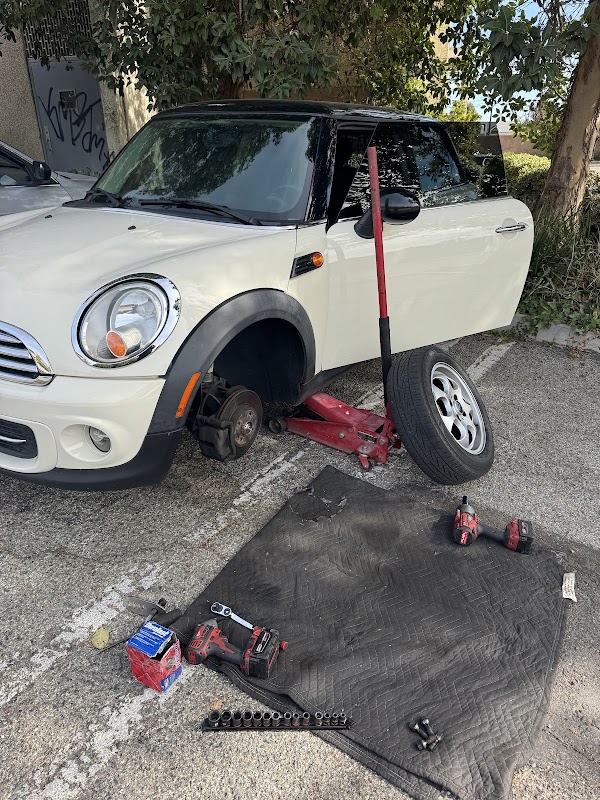
The actual diagnose process starts with connecting a scan tool to pull whatever codes are stored in the car's memory. From there we move into the specific system involved and start testing it directly, checking things like voltage at a sensor, fuel pressure, or live readings while the engine runs. We compare what we are seeing against what the car is supposed to be doing under normal conditions. That comparison is where the real answer usually shows up. Once we have narrowed it down to the actual cause, not just a symptom or a guess, we can recommend the right repair instead of a shot in the dark. This same approach applies whether it is a routine car inspection or a more involved electrical complaint.
What makes a diagnostic quick or drawn out depends almost entirely on how clear the symptom is. A single stored code pointing straight at one sensor is usually a fairly direct job. An intermittent issue, like a stall that only happens once in a while, takes more time because we may need to recreate the exact conditions that trigger it before we can even see it happen. Electrical problems tend to take longer than straightforward mechanical ones, since electrical faults can hide in a wire, a ground connection, or a loose plug that only acts up under certain conditions, like heat, vibration, or moisture. Mechanical issues, like worn brakes or a failing part you can see and touch, are usually easier to confirm once we are looking right at them.
Until the car gets looked at, pay attention to when the symptom actually shows up. Does it happen on cold mornings, at highway speeds, or after the car has been sitting for a while. That kind of detail sounds minor, but it genuinely helps narrow things down faster once we start testing. A symptom that only appears after the engine warms up points us somewhere different than one that only happens right at startup. Try not to ignore a check engine light for too long. Some underlying issues get worse the longer they run unaddressed, turning a simple sensor fix into something bigger and more expensive down the road. The earlier a problem gets diagnosed, the fewer parts it tends to drag down with it.
A thorough diagnose visit is also where a lot of drivers get peace of mind about a car they are not sure they can trust yet, especially with a used car or one that has been sitting unused for a while. We treat an inspection the same way we treat a symptom complaint, working through the systems methodically instead of rushing to a conclusion. People mention our thoroughness and punctuality because that careful pace is the actual point of a diagnostic, not a step to speed past. Whether the issue is a dash light, a strange fee question on an old invoice from somewhere else, or a truck that just does not feel right anymore, the approach stays the same. Find the real cause first, then talk about what it actually needs.
What to Tell Us When You Call
- Year, make, and model of your car
- What the car is doing, stalling, shaking, smells, noises
- Whether a warning light is on and which one
- When the issue happens, cold starts, highway driving, idling