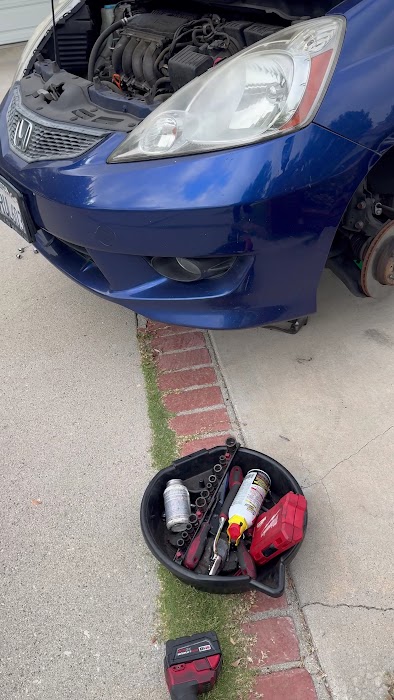
Your car actually runs two separate climate systems that happen to share the same vents. The A/C depends on a sealed loop of refrigerant, a compressor, and a condenser that all work together to pull heat out of the air blowing into your cabin. The heater is simpler in concept. It uses hot coolant from your engine and routes it through a small radiator called the heater core, then pushes that warm air through the vents. Both systems rely on seals, hoses, and connections that wear down over the years. A tiny leak in the A/C or a clogged heater core can knock out the whole system even when every other part is still working the way it should. That is why heating and A/C problems in San Fernando often start small and get ignored until the weather makes them impossible to ignore.
Signs Your Heating or A/C Needs Attention
- A/C blows warm air instead of cold
- Heater takes a long time to warm up or never does
- Weak airflow from the vents
- Strange smell when the system first turns on
- Clicking or odd noise when you turn on the A/C or heat
- Windows fog up and will not clear with defrost on
The most common complaint we hear is warm air coming out when the A/C is on full blast. Nine times out of ten that points to low refrigerant from a slow leak somewhere in the lines or seals. A heater that will not warm up, or takes a long time getting there, usually means a coolant problem or a clogged heater core. Weak airflow out of either system, even when the temperature is right, often traces back to a failing blower motor or a cabin air filter packed with debris. Strange noises when you first turn the system on are almost always tied to the compressor or the blower motor straining to do its job. Catching these signs early in Northridge traffic or on a hot San Fernando afternoon can save you from a bigger repair down the road.
When a car comes in with a heating and A/C complaint, we start on the cooling side by checking refrigerant levels and looking for any signs of a leak. A system that is just low on refrigerant with no leak is a different repair than one that is slowly bleeding out through a cracked hose or bad seal, and recharging alone will not fix a leak for long. On the heating side we check coolant level first, then look closely at the heater core and the hoses feeding it for cracks or clogs. We also test the blower motor directly and pull the cabin air filter to check it, since a filter packed with dust and debris can mimic a much bigger problem and send you chasing the wrong repair.

What the job actually involves depends entirely on what we find during that check. Sometimes it is as simple as swapping a dirty cabin air filter or recharging refrigerant that has just naturally dropped a bit over time. Other times it means replacing a failed compressor, a leaking hose, or a clogged heater core, which are bigger jobs with more parts involved. Our approach stays the same either way. We find the leak or the failed part first, repair or replace exactly that piece, then recharge or refill the system as needed. Before we call anything finished, we test that the vents are actually blowing cold air on the A/C side and real warm air on the heater side, the way they are supposed to, not just running without actually fixing the complaint.
The size of the job comes down almost entirely to where the failure is sitting. A refrigerant leak at an accessible hose connection is a relatively small, contained fix compared to a compressor that has failed internally and needs full replacement. On the heating side, a heater core replacement is a much more involved job than swapping a blower motor, mainly because of where the heater core sits buried in the dash assembly rather than being bolted on somewhere easy to reach. That difference in location changes both the complexity and the amount of work needed to get to the part. We walk you through exactly what we found and what the repair involves before we move forward with anything beyond the initial diagnosis, so you know what you are dealing with.
If your A/C or heater is making a bad noise when you run it, try not to keep running it hard until it gets looked at. A grinding, squealing, or clicking sound when the system kicks on is usually a sign a part like the compressor or blower motor is already struggling, and continuing to run it can turn a smaller repair into a bigger one. Driving around without a working heater or A/C is not dangerous on its own, it is mostly just uncomfortable, especially once summer heat or winter mornings roll through San Fernando and Northridge. But a system that is already showing warning signs rarely fixes itself, and waiting usually just means a longer list of parts by the time you bring it in.
We cover both sides of your car's climate control, from the refrigerant and compressor work on the A/C side to the coolant, heater core, and hose checks on the heating side, along with the blower motor and cabin filter that affect airflow on either system. Whether the complaint is warm air blowing out of the vents, a heater that will not warm up, weak airflow, or a noise when the system first kicks on, we start with the same diagnostic approach of checking refrigerant and coolant levels, looking for leaks, and testing the blower before recommending any repair. That keeps us from guessing and keeps you from paying for parts that were never the actual problem. If your heating and A/C is acting up anywhere around San Fernando or Northridge, it is worth getting it checked before the weather turns and makes the ride a lot less comfortable.
What to Tell Us When You Call
- Year, make, and model of your car
- Whether it is the A/C, the heater, or both acting up
- Any noise, smell, or weak airflow you have noticed
- How long the problem has been happening