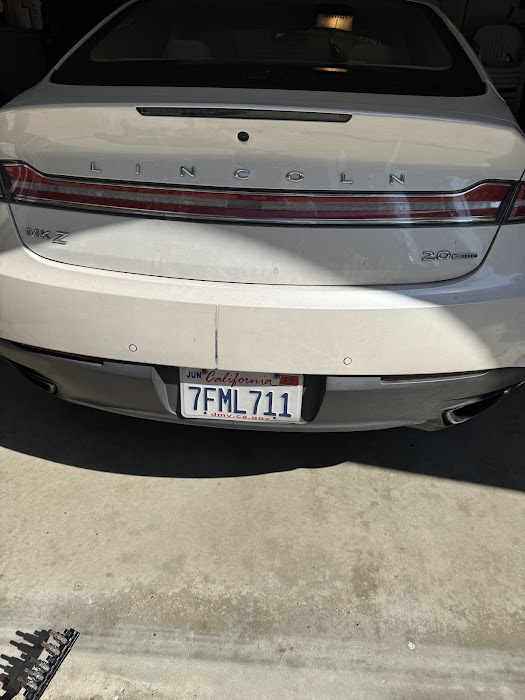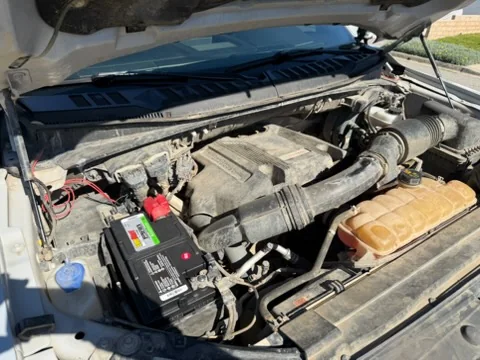
Your car's electrical system is really a network of wires, fuses, grounds, and a battery and alternator working together. It powers everything from the starter to the radio to the sensors that keep the engine running right. Wires corrode, connections loosen from vibration over years of driving around San Fernando, and fuses blow when something downstream shorts out. Age and heat under the hood break down insulation too, which is common once a car has some miles on it. When one part of this network fails, it can cause problems that seem totally unrelated, like a dead horn and a flickering dome light at the same time. That's the tricky part of electrical work. The symptom you see is rarely sitting right next to the actual cause, so chasing it takes more than a quick look under the hood.
Signs Your Car Has an Electrical Problem
- Car clicks but won't crank
- Dashboard lights flicker or dim randomly
- Battery keeps dying overnight
- Interior lights or radio cut out while driving
- Burning smell near the dash or under the hood
- Windows or power locks work slow or not at all
The warning signs usually show up small before they show up big. A car that clicks but won't crank is a classic one, often pointing to a weak battery or bad connection rather than a dead starter. Dash lights that dim when you hit the brakes or flicker at idle are another sign worth paying attention to. So is a battery that needs a jump every few mornings, or power windows that move slower than they used to. None of these fix themselves, and they tend to get worse at the worst possible time, usually on a morning when you actually need the car. Drivers around Northridge dealing with any of these symptoms are often surprised how many of them trace back to one single bad connection instead of several broken parts.
Before we replace anything, we test. We check battery voltage and charging output, look at the alternator's actual output under load, and trace wiring with a multimeter instead of guessing which part is bad. We inspect grounds and connectors for corrosion, since a loose ground wire can mimic a dozen other problems at once, from slow windows to a radio that cuts out. This step matters because electrical issues are notorious for sending people chasing the wrong part for weeks, replacing a battery when the real issue was a corroded ground strap the whole time. Testing first means we're not swapping parts on a hunch. It's slower up front but it saves you from paying for parts that were never the problem.
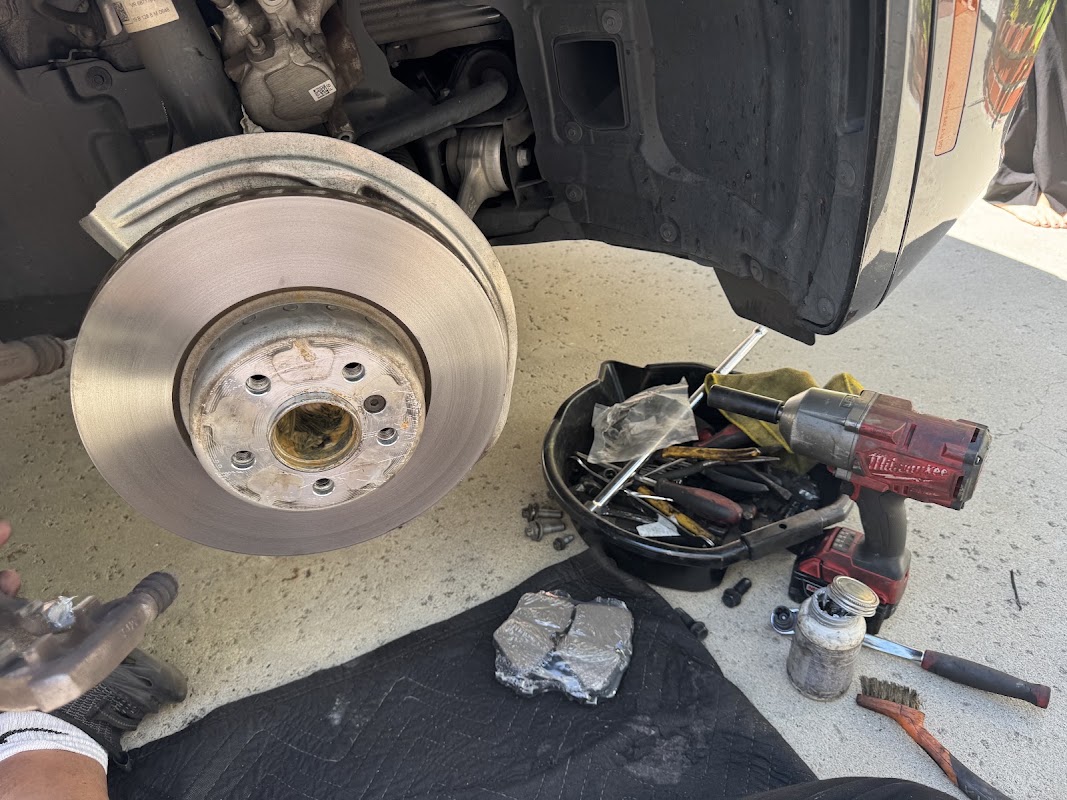
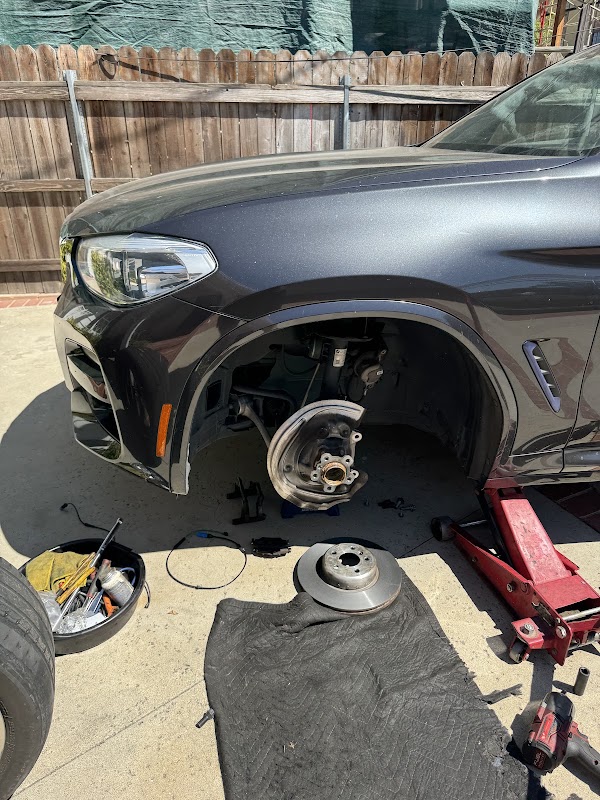
Once we know what's actually wrong, the repair depends on what we find. That might mean cleaning and resealing a corroded connector, replacing a battery or alternator, repairing a damaged wire section, or swapping a blown fuse and finding out why it blew in the first place. A fuse that blows once can be a fluke. A fuse that keeps blowing means something downstream is pulling too much current, and replacing the fuse again without finding that cause just wastes a fuse. We test the fix under real conditions, not just at idle in the shop, since some electrical faults only show up once the engine's warm or the car's been running a while and components have had time to heat up and expand.
What makes an electrical job bigger or smaller usually comes down to how hard the fault is to find, not how hard it is to fix once found. A blown fuse with an obvious cause is quick to sort out. A short that only happens when the car hits a bump, or a wire chewed through somewhere inside the dash, takes more time to chase down because it won't show itself on command. Older cars and cars that have had aftermarket stereos or alarms installed tend to have more wiring to sort through, since extra wiring means extra splices, and splices are where corrosion and loose connections like to hide. We work through it systematically instead of pulling the dash apart and hoping.
This kind of work ties into other parts of the car more than people expect. A weak battery or failing alternator can affect how the starter cranks, which is part of why diagnose work often starts at the battery even when the complaint sounds electrical in a different spot. It also overlaps with routine care. A battery nearing the end of its life, corrosion building on terminals, or a charging system running low all show up during a general car inspection, which is part of why catching these early during routine service tends to save a tow truck call down the road. We treat electrical checks as part of looking at the whole car, not an isolated task.
Until it's fixed, keep an eye on dash warning lights and don't ignore a battery that needs jumping more than once, since that pattern usually means the problem is getting worse, not staying the same. If you smell anything burning or notice smoke, stop driving the car and get it looked at right away rather than finishing the trip. Avoid running extra accessories like phone chargers or aftermarket lights if your electrical system is already acting up, since that just adds load to a system that's already struggling to keep up. We're open seven days a week from 8 to 10 for anyone dealing with flickering dash lights or a car that's been acting up electrically and wants it looked at properly instead of guessed at.
What to Tell Us When You Call
- Year, make, and model of your car
- What's happening, like flickering lights or a dead battery
- When it started and if it's getting worse
- Any recent work done on the car, especially a new battery, stereo, or alarm