Oil keeps metal parts from grinding on each other inside your engine. Pistons, bearings, and camshafts all depend on a thin film of oil to keep from wearing each other down every time the engine runs. Oil also carries heat away from parts that would otherwise overheat, and it picks up dirt and tiny metal particles as it circulates, holding them until the filter can catch them. Over time oil breaks down, gets thin, and stops protecting the way it should. Heat from San Fernando summers and a lot of short trips speed that breakdown up, since the engine never gets to run long enough to burn off moisture that builds up inside it. Once oil turns to sludge, it stops flowing well into tight spaces like bearings and valve lifters, and that is when real engine wear starts.
Signs Your Car Needs an Oil Change
- Oil change light or wrench icon on the dash
- Engine sounds louder or more knocky than usual
- Oil on the dipstick looks dark and gritty, not amber
- Exhaust smells like burning oil
- It has been several months since the last change
- Engine runs hotter than normal in stop and go traffic
Most drivers notice an oil change is overdue because of a dashboard light or because the engine starts sounding rougher than usual, with more clatter at startup or a ticking noise that was not there before. Some people check the dipstick and see oil that looks black and gritty instead of clear amber, which means it has picked up more dirt than it can hold. A burning smell from under the hood is another sign something is off, sometimes from oil dripping onto a hot part of the engine. None of these mean the engine is damaged yet, but they mean it is time to get it looked at before small wear turns into bigger damage.
Before we drain anything, we check the oil level and look at its color and texture to get a sense of how much life it has left. We also check for leaks around the pan and filter, since a leak can look like you are low on oil when really it is dripping out onto the driveway or the ground under the car. This step matters because a slow leak left unchecked can run an engine low on oil without any warning light catching it in time. If the oil looks fine and the mileage lines up with a normal service schedule, we tell you that instead of pushing a service you do not need yet.
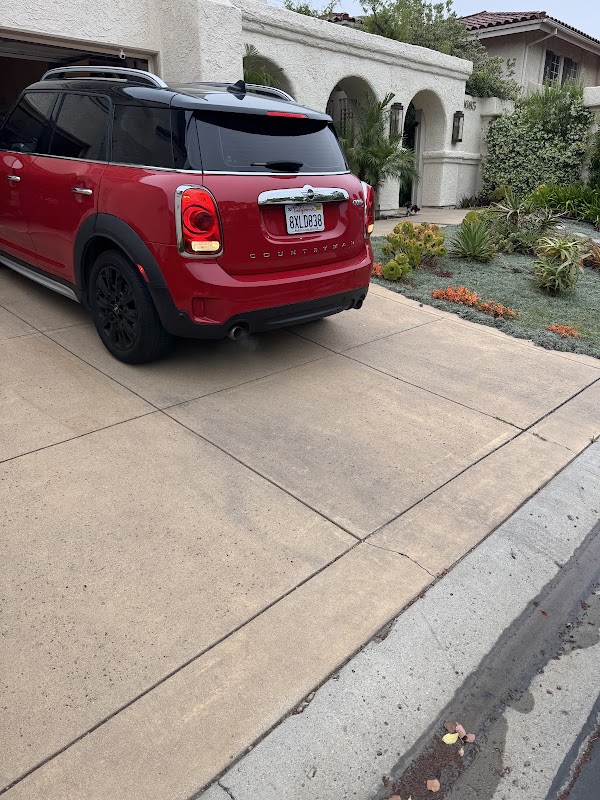
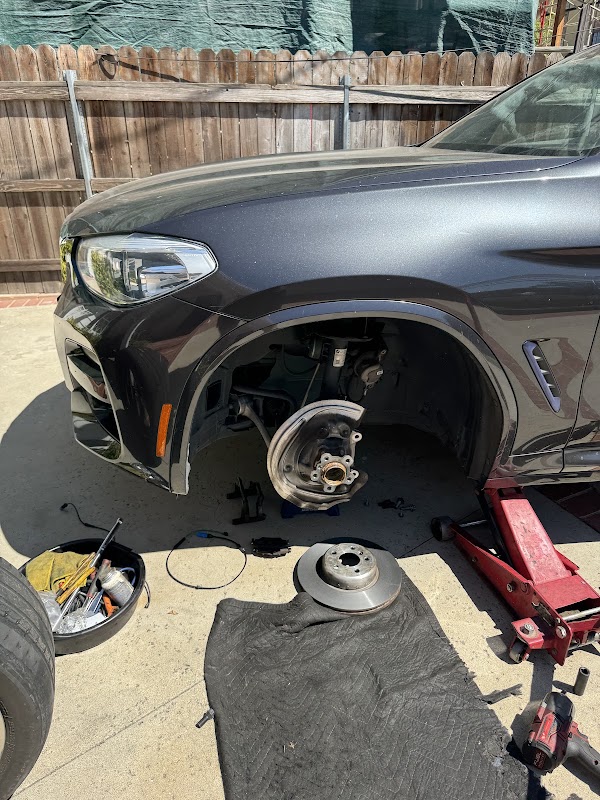
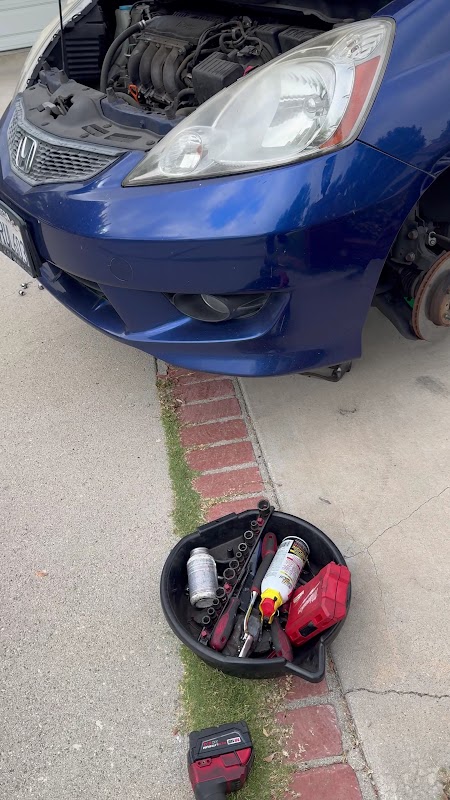
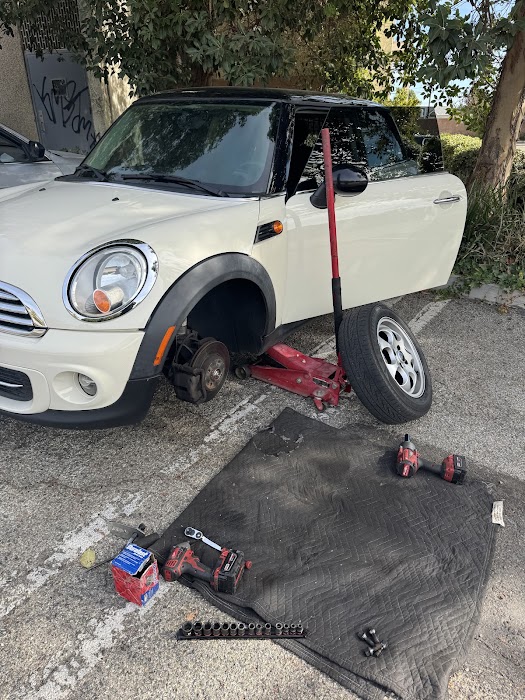
The job itself is straightforward once we know what the car needs. We drain the old oil completely, swap the filter for a new one, and refill with the type of oil your engine calls for, whether that is conventional, synthetic blend, or full synthetic. While it is draining we take a look underneath for any other leaks or loose parts we can point out to you, since this is one of the few times the underside of the car is easy to see up close. Then we check the level once it is topped off and make sure there is no drip once the plug is back in and the filter is seated right.
What changes the size of the job is mostly the oil type and filter your car needs, since not every engine takes the same grade or amount. Some engines want synthetic oil, which costs more than conventional but holds up longer under heat and stress. A car that is overdue and has sludge buildup may need extra cleaning or a slower drain before the new oil can do its job right, since thick sludge does not always flow out on its own. Leaks found during the check can turn a simple oil change into a bigger conversation about what else needs attention, like a worn gasket or a loose drain plug that needs more than a quick fix.
Skipping oil changes does not just mean dirty oil sitting in the engine. It means less protection every mile the car runs, more friction between moving parts, and more heat that the oil cannot carry away fast enough. Over months this kind of neglect wears down bearings and other parts that are expensive to replace compared to the cost of keeping oil fresh. Drivers who put a lot of miles on their cars around Northridge and other nearby towns tend to notice the difference sooner, since more driving means the oil works harder and breaks down faster between changes.
If your light is on or it has been a long stretch since the last change, do not keep driving on it longer than you have to. Low or dirty oil puts stress on your engine every mile you drive, and that stress adds up quietly until something fails. Get it checked soon so a cheap fix does not turn into a repair bill for engine damage that could have been avoided with a simple oil change and a quick look underneath the car.
What to Tell Us When You Call
- Year, make, and model of your car
- Roughly how many miles since the last oil change
- Whether the oil light or check engine light is on
- Any smells, noises, or leaks you have noticed