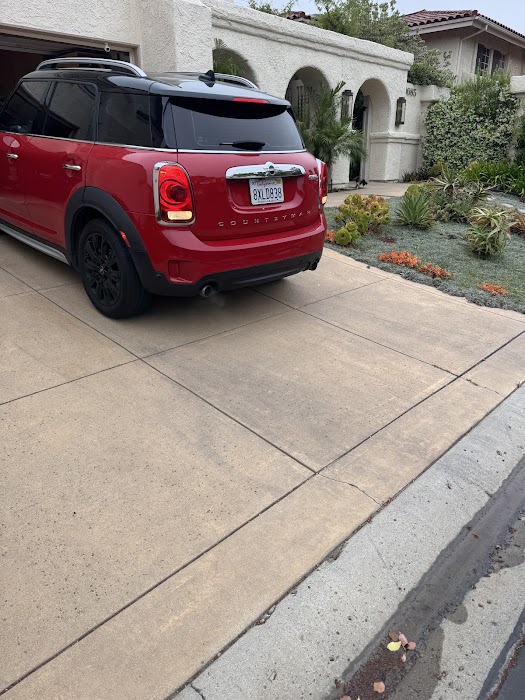
Your suspension holds the car steady over bumps and dips. Your steering connects the wheel in your hands to the tires on the road. Both take a beating from potholes, speed bumps, and just daily driving around San Fernando and Northridge. Rubber bushings dry out, struts lose their bounce, and tie rods wear loose over time. None of this happens overnight. It is slow wear that adds up until one day the car just does not feel right anymore. Once these parts wear down, the car stops handling the way it used to, and in some cases it gets harder to control, especially in quick lane changes or sudden stops. The whole system works together, so when one part wears out, it puts more strain on the parts around it, which speeds up the wear everywhere else.
Signs You Have a Suspension or Steering Problem
- Car bounces a lot after hitting a bump
- Steering wheel pulls to one side while driving straight
- Clunking or knocking noise over bumps
- Tires wearing unevenly on one edge
- Car feels like it leans hard in turns
- Steering feels loose or shakes at certain speeds
The most common sign is a rougher ride than normal, where every bump feels bigger than it should and the car bounces more than once after hitting a dip. Pulling to one side, clunking noises over bumps, or a wheel that shakes at highway speed are all signs something in the suspension or steering is worn. Sometimes the steering wheel feels loose or you need to correct more than usual to keep the car going straight. Uneven tire wear is another clue, since a bad alignment or worn part changes how your tires sit on the road, wearing down one edge faster than the rest. Catching these signs early usually means a smaller repair than waiting until the noise gets worse or the handling gets unpredictable.
We start by checking the obvious things, tire wear patterns, fluid levels if it is power steering, and a visual look at struts, shocks, and linkage for wear or leaks. Leaking struts or shocks are an easy give away, since the fluid inside is what controls the bounce. We also take it for a short drive to feel how it handles and where the noise or pull is coming from, since some problems only show up at certain speeds or over certain types of bumps. This tells us which parts are actually worn instead of guessing, which matters because suspension and steering parts often mimic each other's symptoms. A clunk that sounds like a strut might actually be a worn bushing or a loose link.
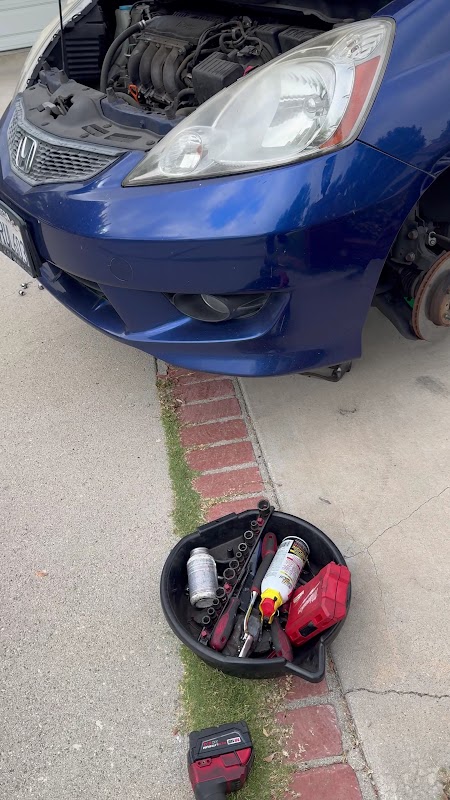
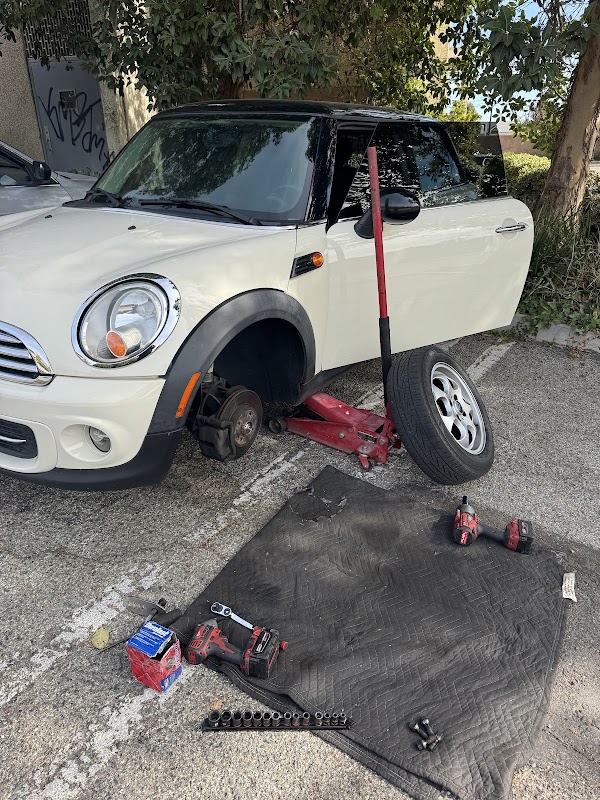
Depending on what we find, the job could mean replacing struts or shocks, swapping worn bushings or tie rod ends, or adjusting the alignment. Struts and shocks control how the car absorbs bumps, bushings cushion metal parts from rubbing against each other, and tie rods connect the steering to the wheels. We take the car apart enough to reach the worn part, put the new one in, and torque everything back down to spec, since loose bolts in this system can affect handling fast. After that we usually recommend an alignment check, since new parts settle differently than old worn ones, and the angles of the wheels can shift once fresh parts are in place. Skipping that step can mean new parts wearing unevenly right out of the gate.
What changes the size of the job is how many parts are worn and how hard they are to reach. A single tie rod end is a smaller job than replacing struts on all four corners, since that means more labor and more parts to source. Some vehicles, especially trucks or certain BMW models, have tighter spaces or different linkage setups that take more time to work through. If the car has been driven a long time with bad alignment, tires may also need attention since uneven wear does not fix itself once the suspension is repaired. The tires keep the wear pattern they already have, so a fresh alignment on old uneven tires does not always solve the ride quality problem completely.
Until it is fixed, drive a little easier on rough roads and pay attention if the pulling or noise gets worse over time. Avoid hitting potholes at speed and try not to ride the curb when parking, since both put extra stress on already worn parts. Worn suspension and steering parts do not fix themselves, and they can affect how well your car handles in a sudden stop or turn, which matters more than ride comfort alone. A car that pulls or shakes is harder to control if you need to swerve or brake hard, and that risk only grows the longer the wear goes unaddressed.
We work on cars coming from San Fernando, Northridge, and the surrounding area, checking suspension and steering along with the other systems that keep a car running, like brakes, alignment, and tires. A thorough car inspection often catches suspension wear before it turns into a bigger handling problem, which is part of why we look at the whole picture instead of just the one noise or symptom you called about. Steering and suspension issues rarely show up alone, they tend to come with other small signs like a vibration in the brake pedal or a tire that wears oddly. Getting it looked at before the noise turns into a shake or a pull keeps the repair smaller and keeps the car easier to control on the road.
What to Tell Us When You Call
- Year, make, and model of your vehicle
- What the car does, pulls, bounces, clunks, or shakes
- When it happens, like over bumps or at highway speed
- Any recent tire wear you have noticed